Domestic guides
Sizing a sub-main, checking volt drop on a long run and working out maximum demand for a house.
- 4 min readAS/NZS 3008.1.1 vs 3008.1.2: AU and NZ conditionsThe AU part of AS/NZS 3008.1 rates cable at 40 °C air and the NZ part at 30 °C. One 32 A circuit needs 6 mm² in Australia and 4 mm² in New Zealand.
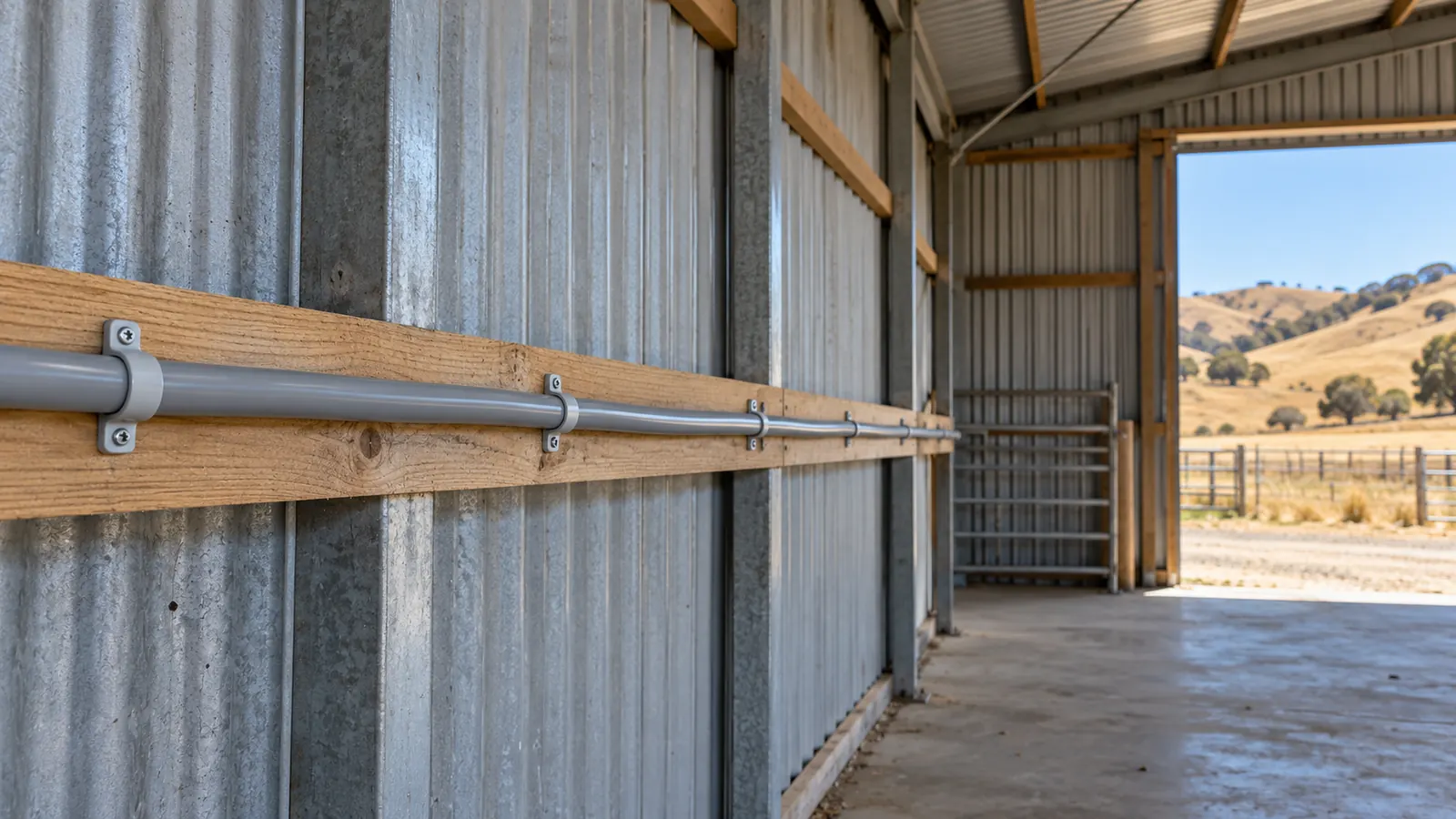
- 4 min readAS/NZS 3008.1.2 Tables 4 to 21: current ratingsWhat the current rating tables govern, which table AmpSize reads today, and a 40 A circuit that lands on 10 mm² with a derated capacity of 50 A.
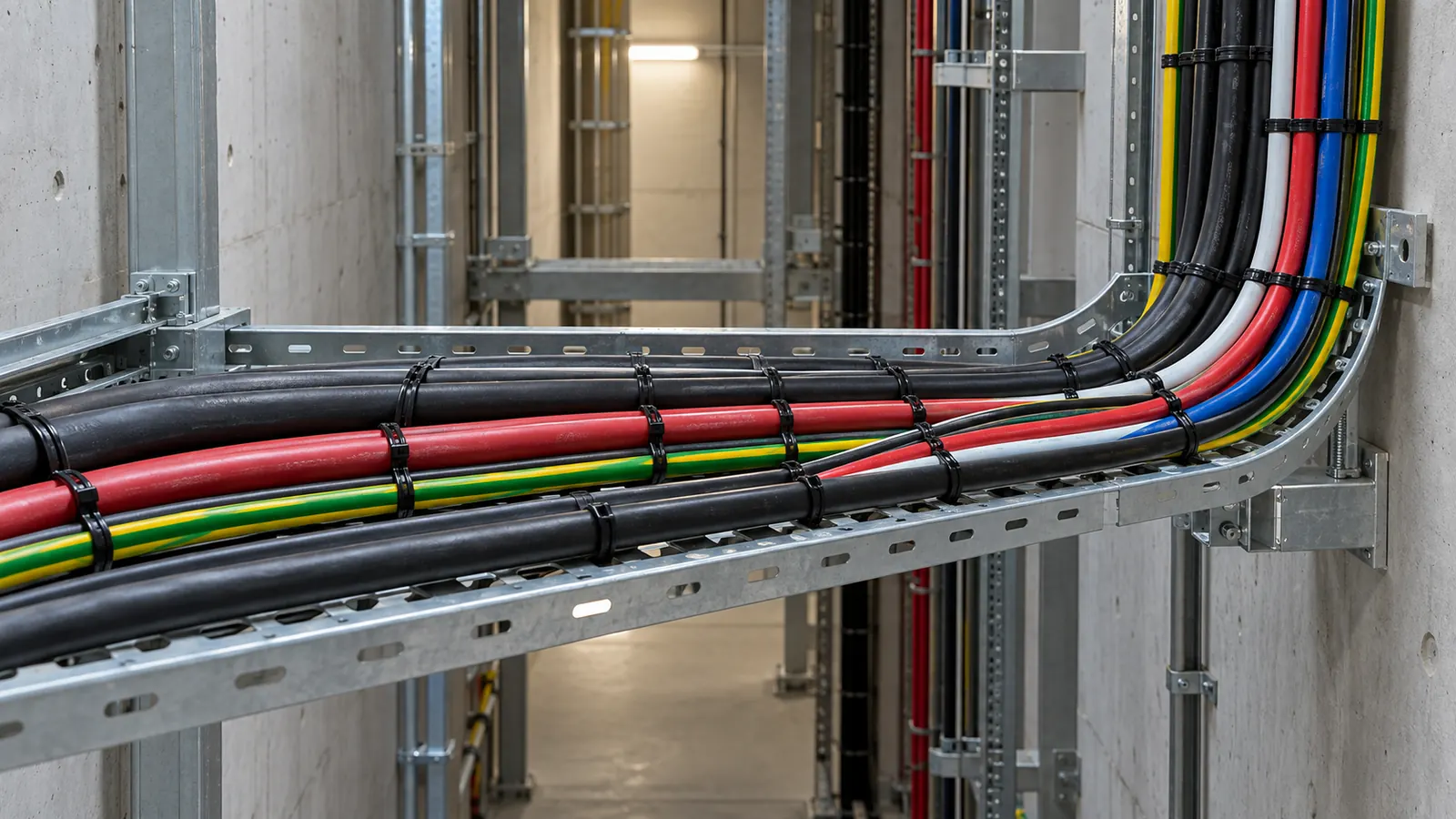
- 4 min readAS/NZS 3008 Table 13 (now 3.18): multicore ratingsWhat AS/NZS 3008 Table 13 gives, why the 2025 AU part calls it Table 3.18, how to read its columns into the calculator, and what moved for buried cable.
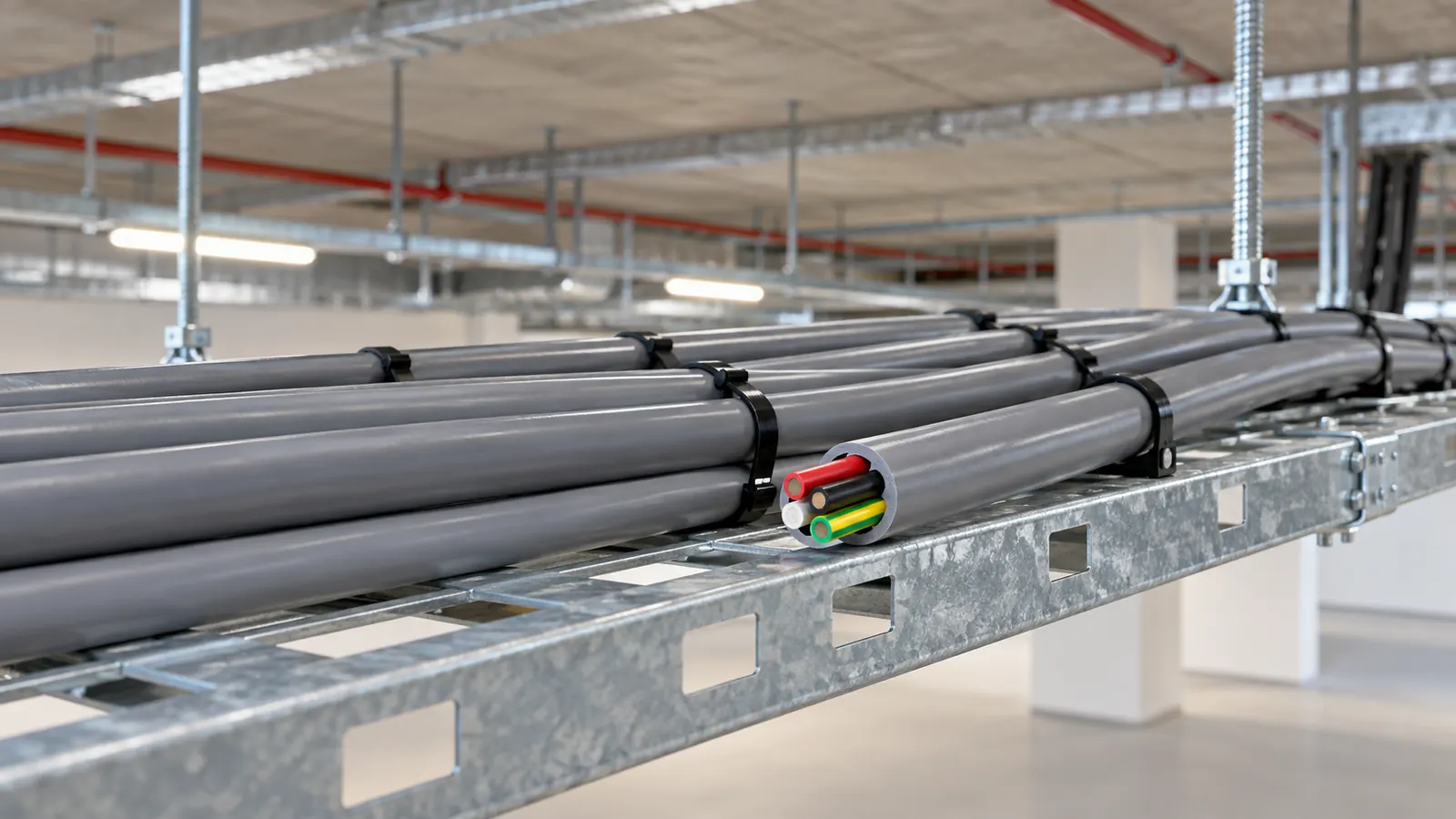
- 3 min readAS/NZS 3008 Table 22 (now 3.33): bunched groupingAS/NZS 3008 Table 22 is the grouping table for bunched circuits, not a temperature table. The 2025 AU part calls it Table 3.33. Read it in the calculator.
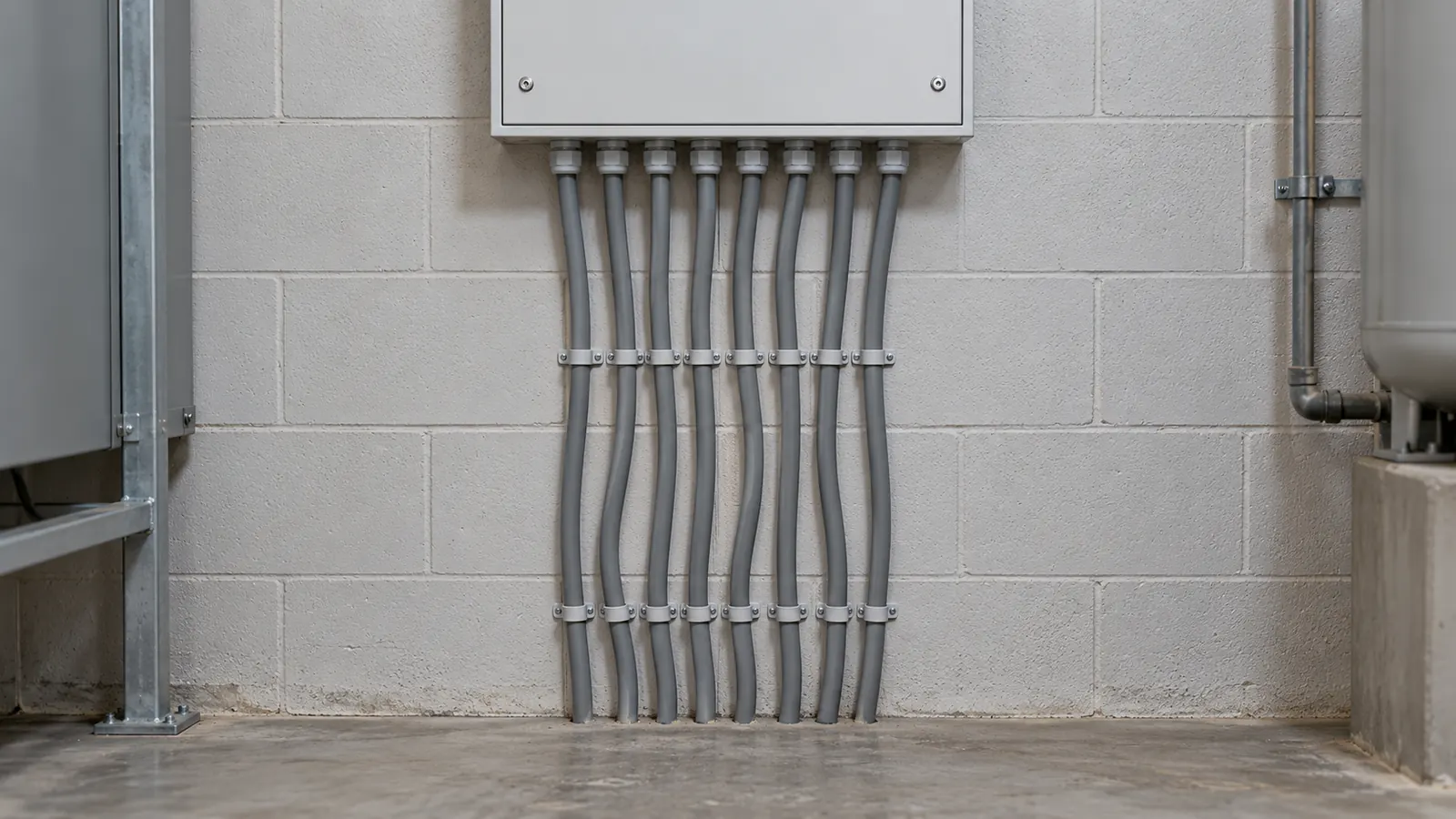
- 3 min readAS/NZS 3008 Table 27 (now 3.44, 3.45): temperatureAS/NZS 3008 Table 27 corrects a cable rating for the air or soil temperature. The 2025 AU part splits it into Tables 3.44 and 3.45 and re-derives the factors.
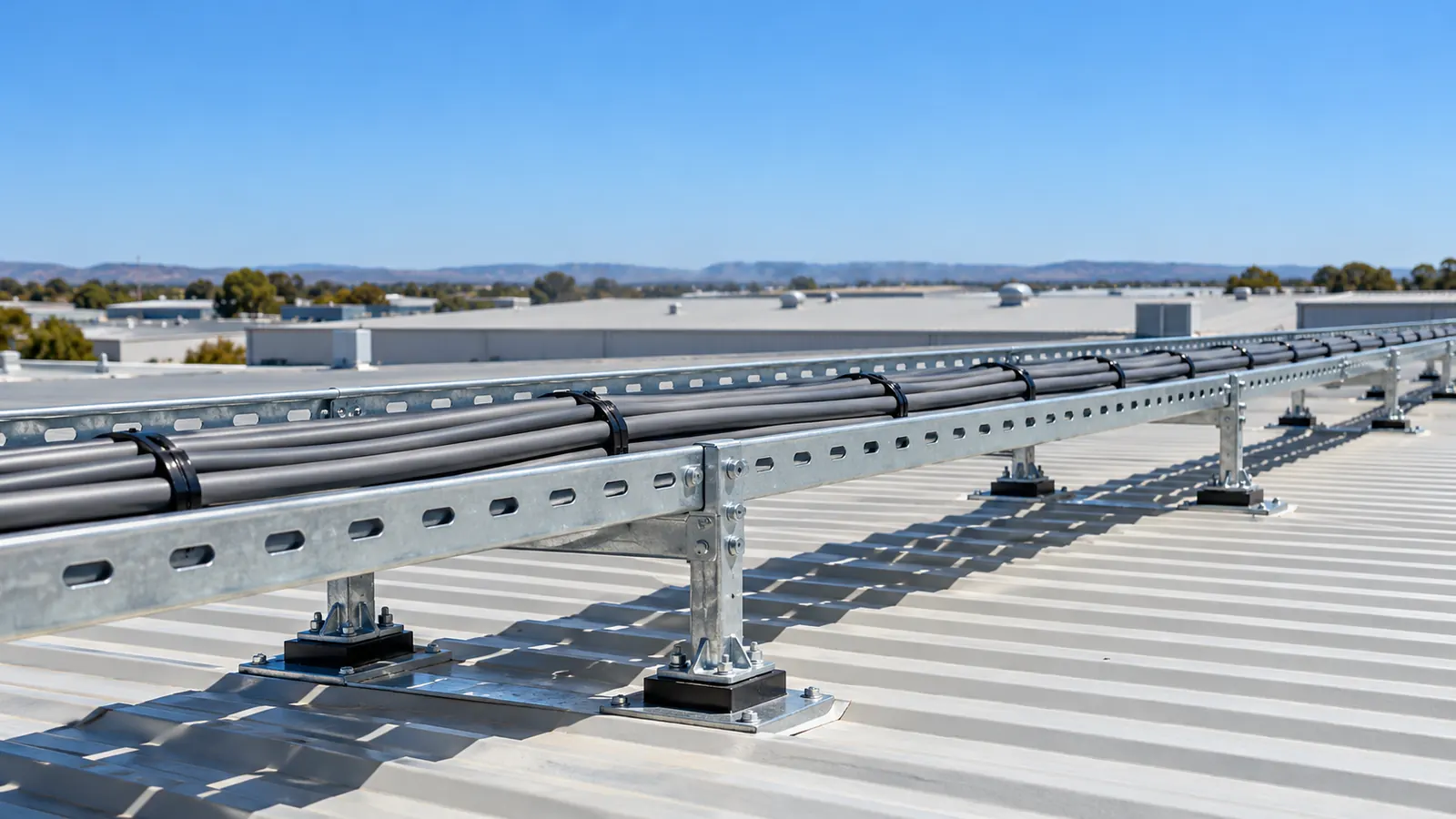
- 4 min readAWG and the NEC for NZ and AU electriciansAWG sizes and the NEC set against AS/NZS 3000 and 3008.1. A gauge converts to mm², but its rating does not, and the NEC 3 % drop figure is only a note.
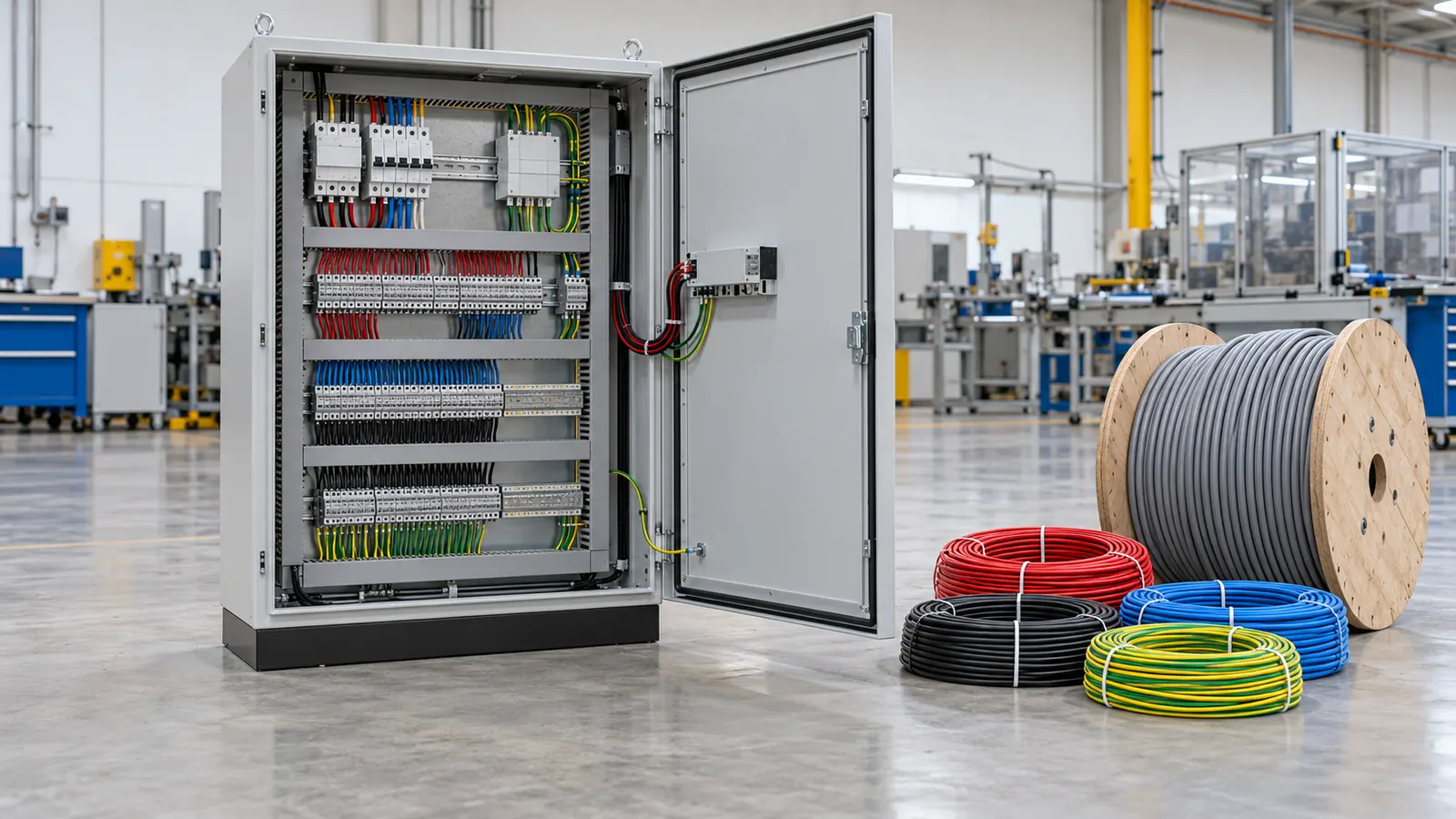
- 3 min readConduit fill: 4 x 6 mm² singles in 25 mmFour 6 mm² single-core cables in 25 mm conduit, with the fill percent, the space factor and the smallest conduit the tool recommends for the bundle.
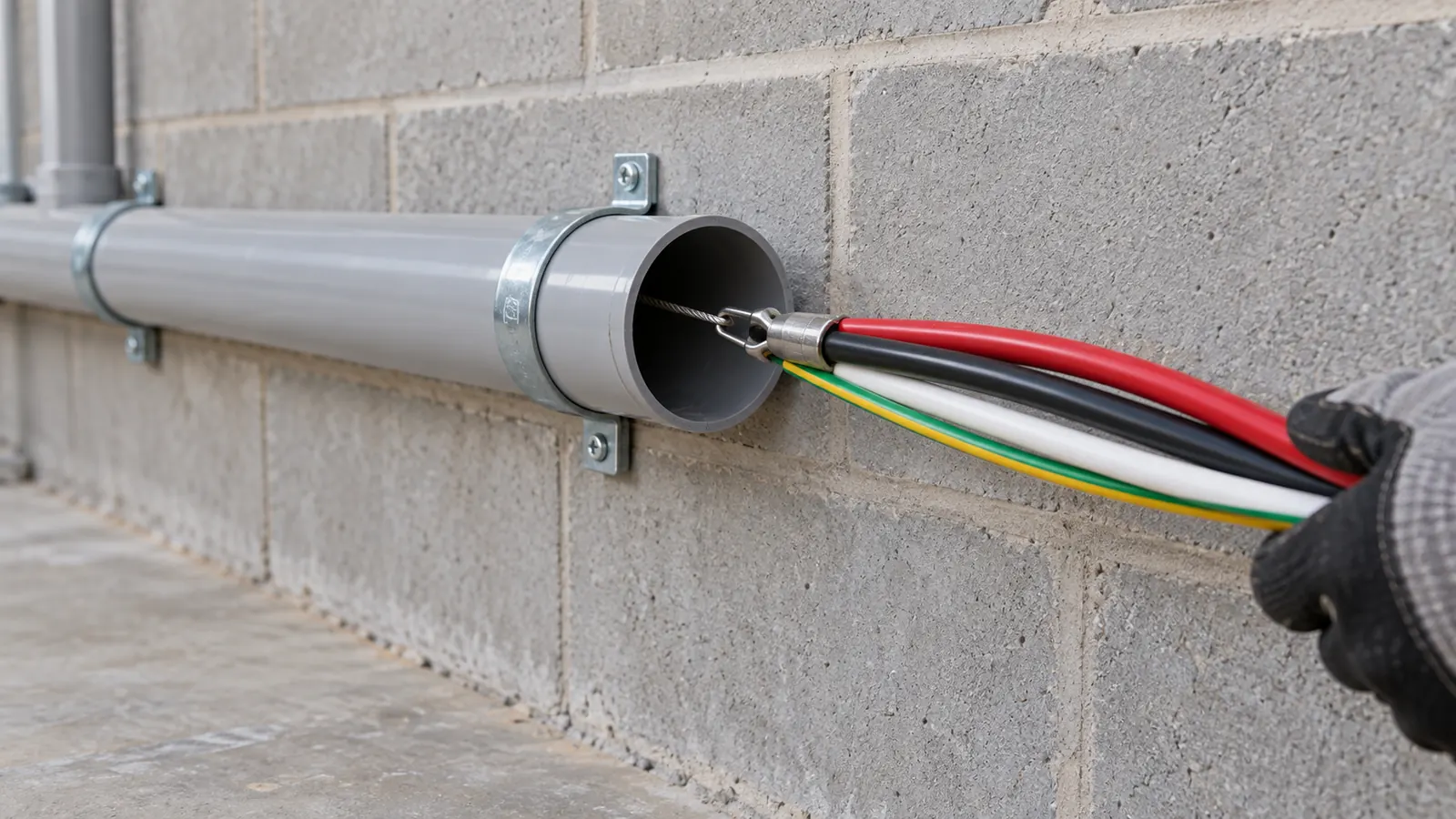
- 3 min readAS/NZS 3000 Table 8.1: max Zs by curve and ratingTable 8.1 max Zs for a 16 A device, by curve. B allows 3.59 Ω, C allows 1.92 Ω and D allows 1.15 Ω. See why, with a 30 m circuit at 0.89 Ω.
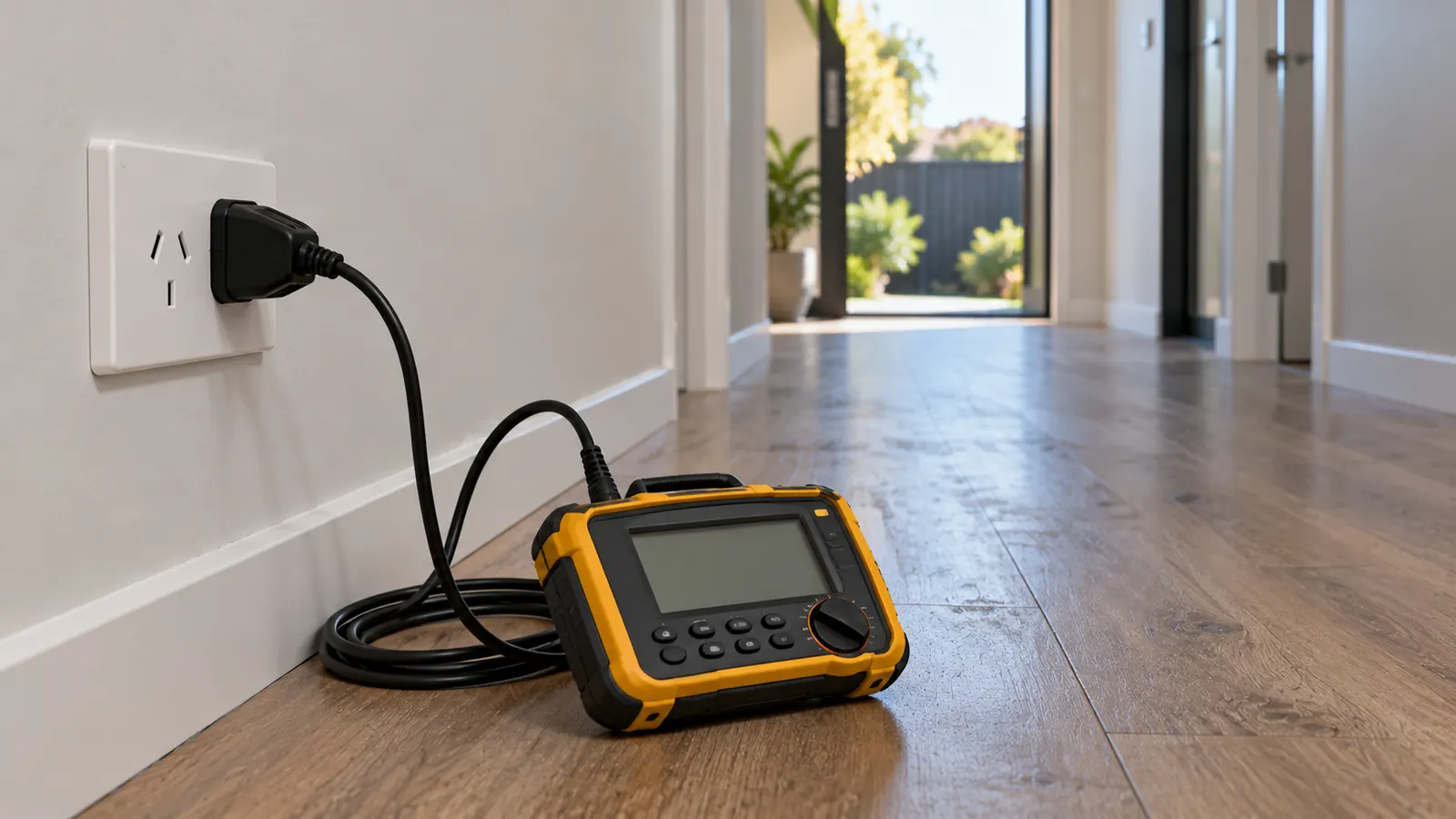
- 5 min readAS/NZS 3008.1.1:2025: what changed from 2017The 2025 AU part adds d.c. ratings to 1500 V, renumbers every table and moves some ratings. Four circuits, each run on both editions, show what moves.
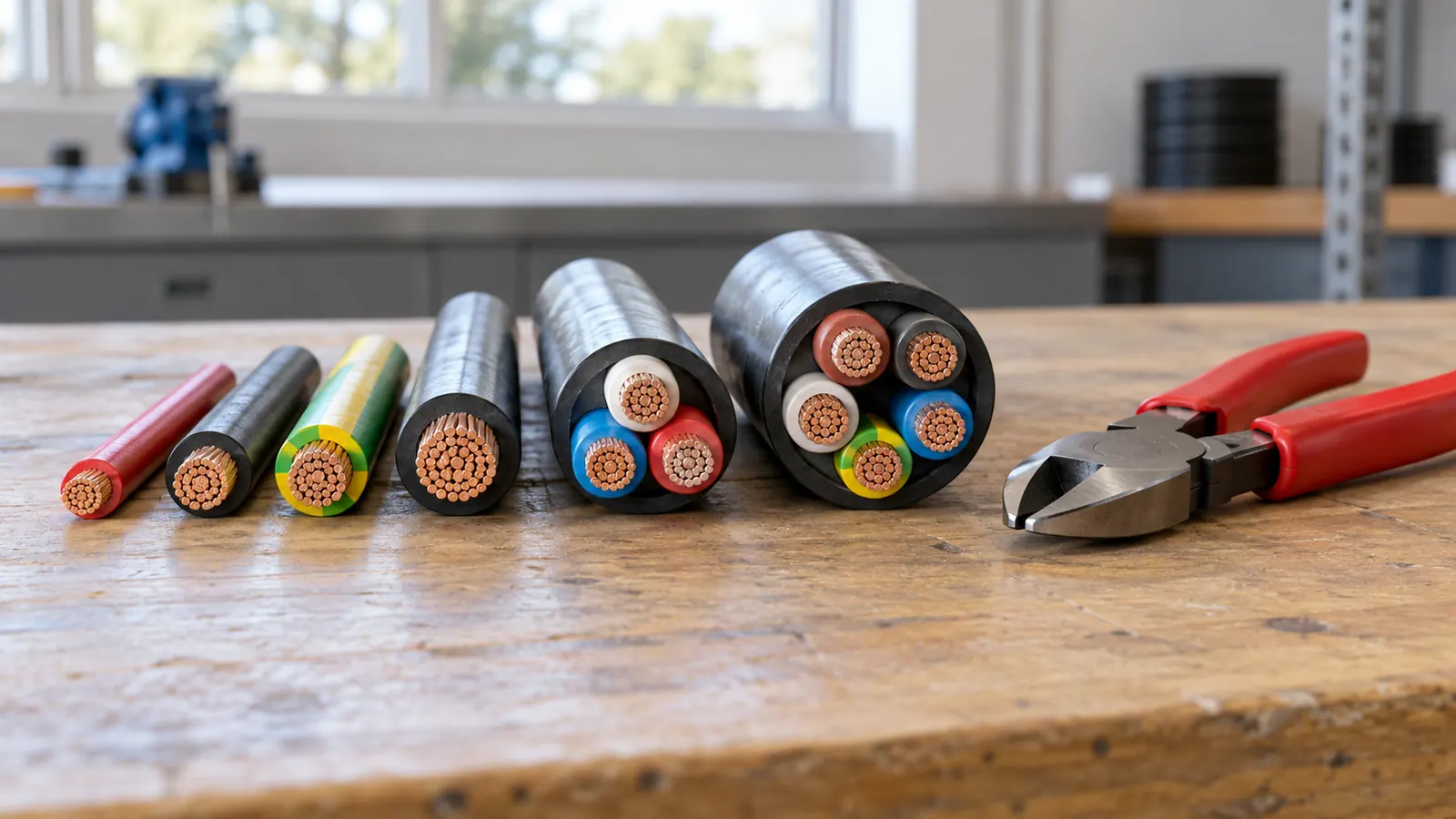
- 3 min readVoltage rise for a 5 kW solar inverter cableA 5 kW single-phase inverter 40 m from the switchboard on 10 mm² copper, with the rise in volts, the percent and the maximum length the tool returns.
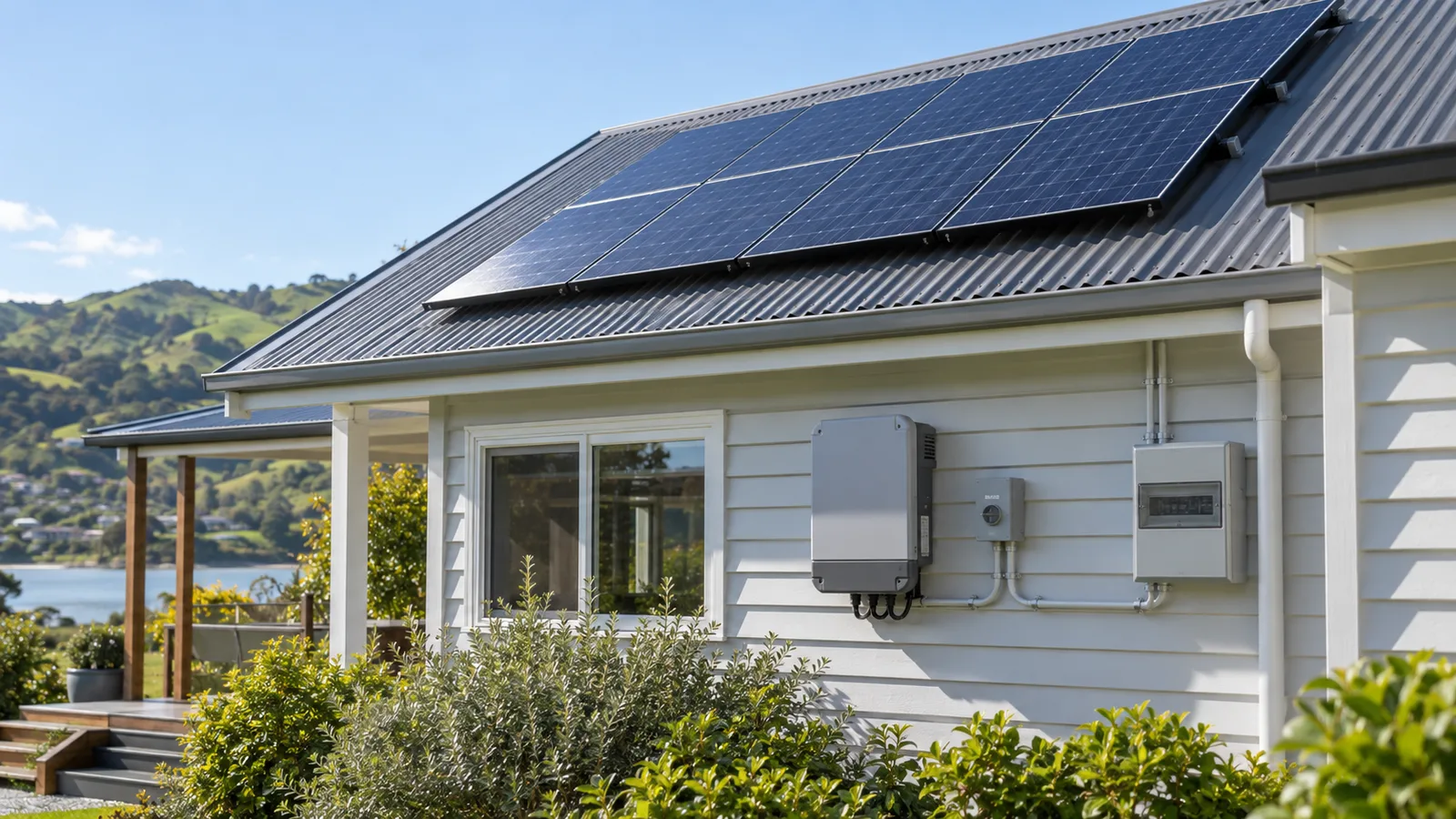
- 3 min readAS/NZS 3000 Clause 3.6.2: voltage drop limitWhat Clause 3.6.2 governs, how the 5 percent budget splits across mains and subcircuits, and a 25 A run over 35 m that returns 2.6 percent from the engine.
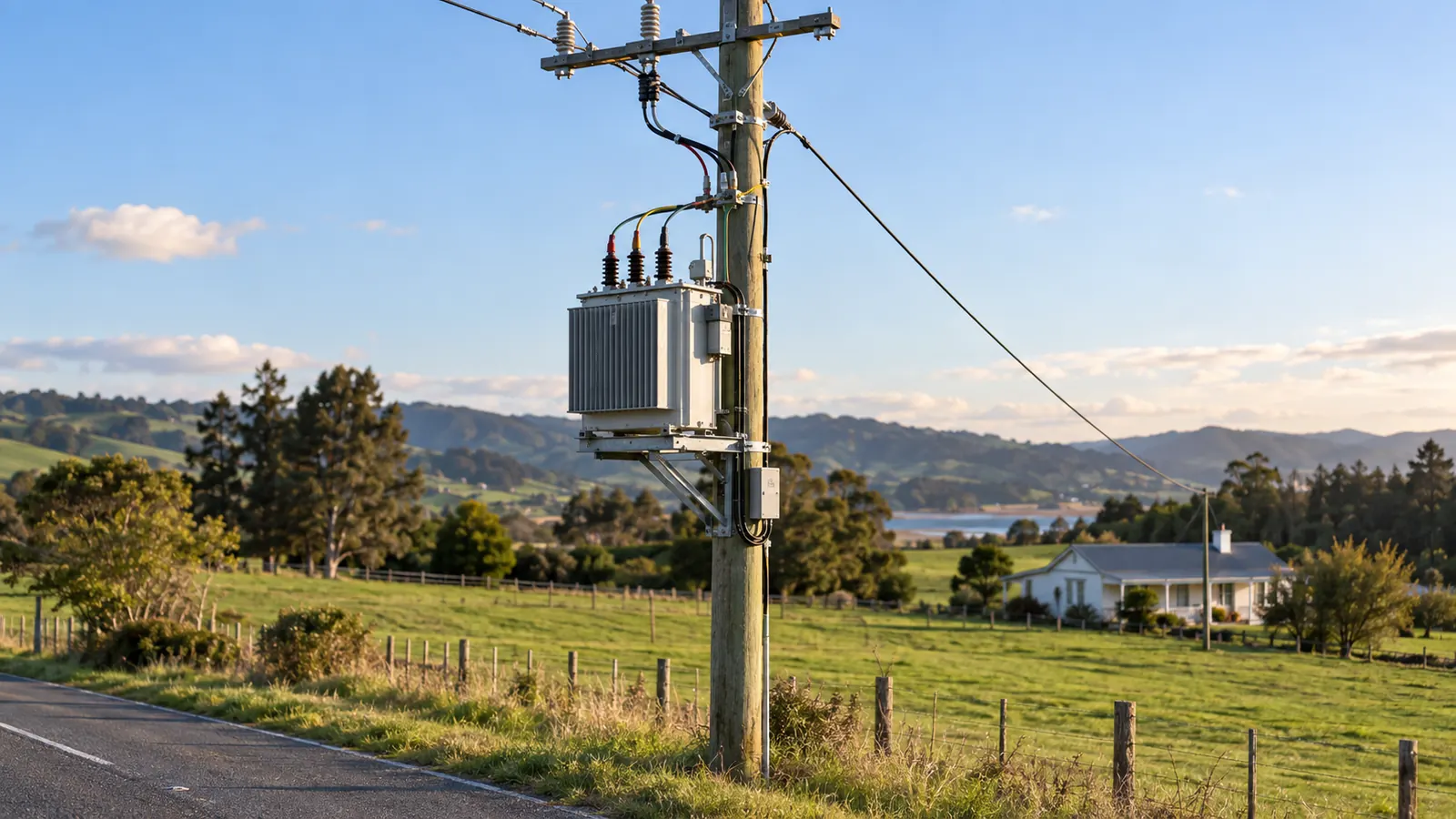
- 3 min readCable size for a 32 A single-phase 25 m runWork through a 32 A single-phase circuit over 25 metres in New Zealand. See every derating factor, the check that sets the size, and the result the tool gives.
- 3 min readDomestic maximum demand with Table C1Assess the maximum demand of a New Zealand house from Table C1, group by group, with a worked example that lands on 52.61 A on a single-phase supply.

- 4 min readEarth fault loop impedance and maximum ZsWhat earth fault loop impedance measures, how the maximum Zs check works, and a 32 A circuit on 6 mm² over 25 m that lands on 0.67 ohms against a 0.96 limit.
- 3 min readVoltage drop with the mV/A·m methodHow the millivolt per amp metre method works, with a 32 A run over 25 metres on 6 mm² copper and the exact drop, percent and maximum length the tool returns.
Calculators these guides use
- Cable size calculatorFind the smallest cable size that passes each check.
- Imperial cable size converterFind the device rating for an old imperial cable.
- Conduit fill calculatorCheck that a cable bundle fits in a conduit.
- Earth fault loop impedance calculatorCheck earth fault loop impedance against the maximum Zs.
- Voltage rise calculatorCalculate voltage rise for embedded generation or PV.
- Voltage drop calculatorCalculate voltage drop on a cable run and check the limit.
- Maximum demand calculatorEstimate maximum demand for domestic or non-domestic loads.