Advanced level
Switchboard fault ratings, harmonics in the neutral, and the numbers behind an arc flash label.
- 4 min readArc flash basicsArcing current, incident energy, boundary and working distance explained, with three engine runs that show clearing time beating fault current every time.
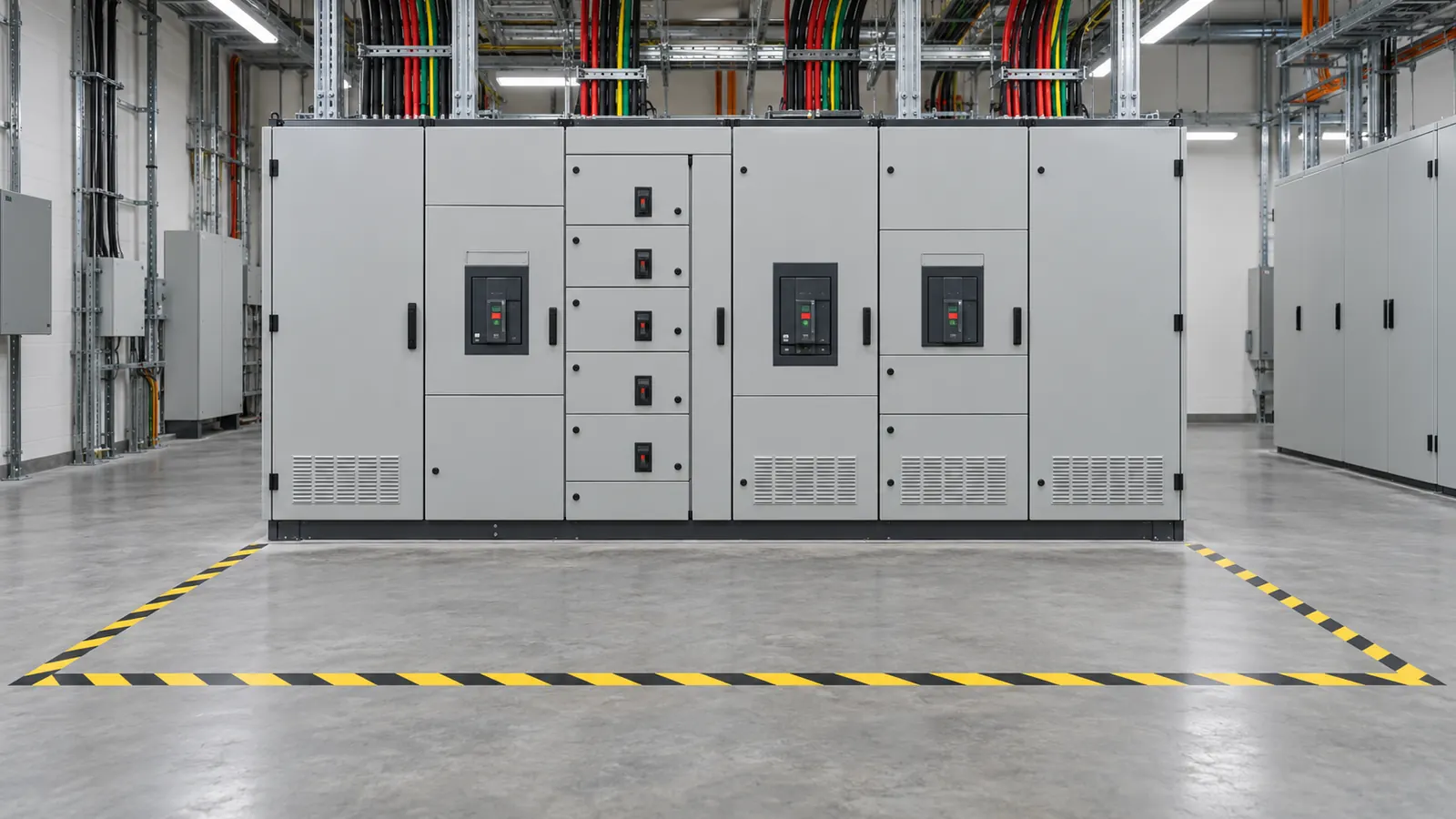
- 4 min readHarmonics and neutral sizingWhy third harmonic current adds in the neutral of a four-wire circuit, what the 0.86 factor does, and how to apply it by hand to a cable size result.
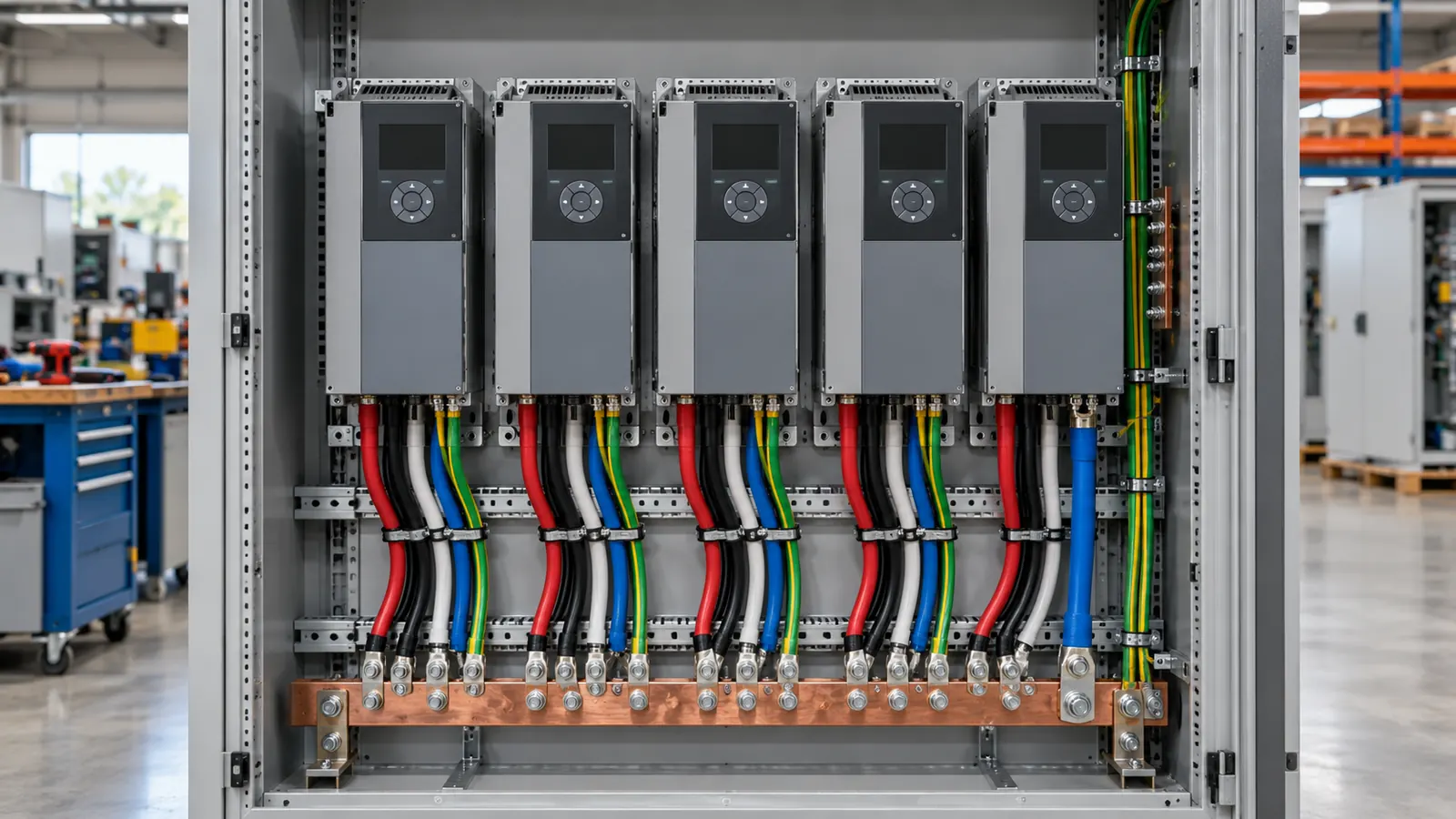
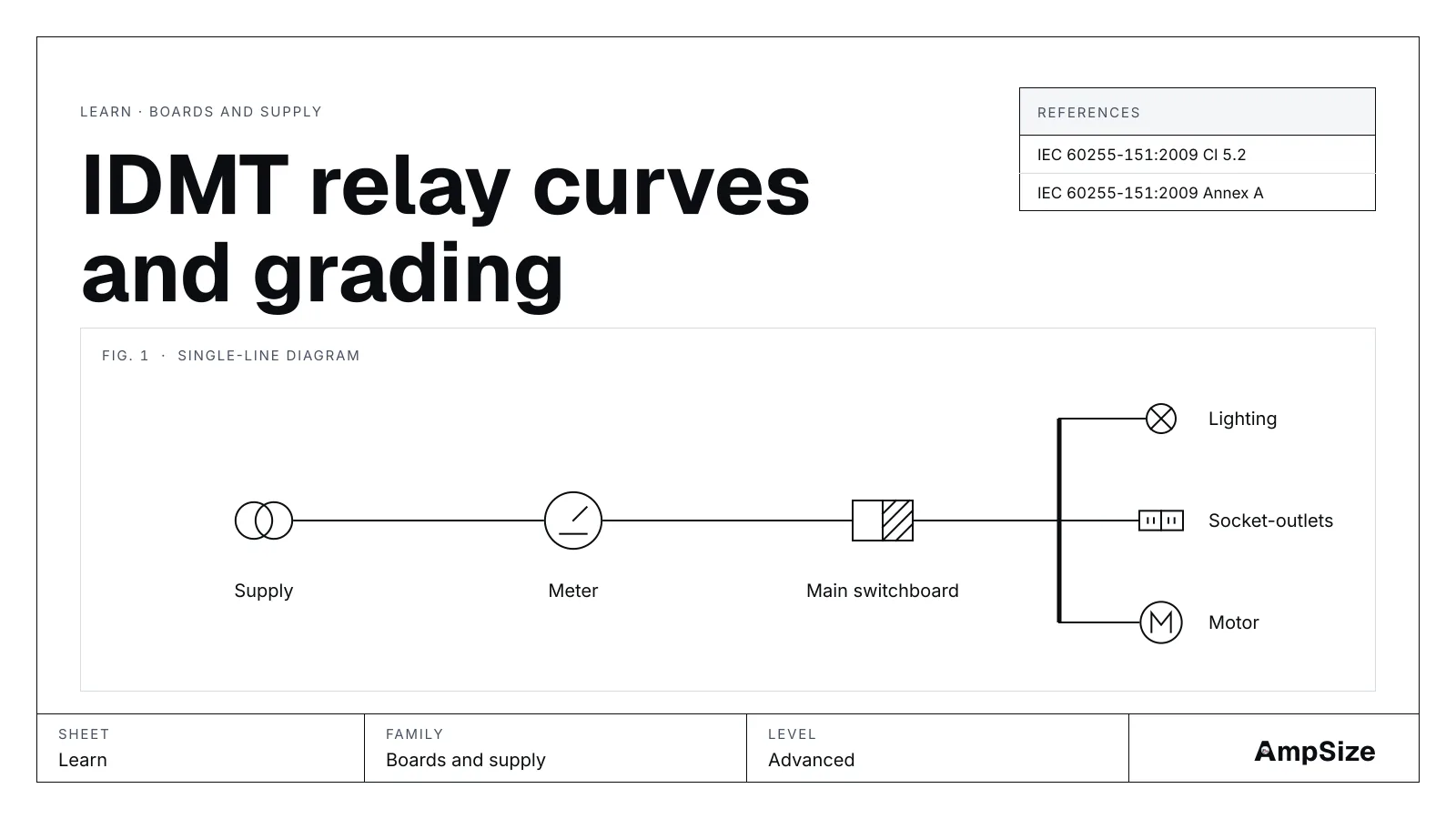
- 4 min readIDMT relay curves and gradingHow an IDMT curve turns fault current into a trip time, and how to grade two relays so the one nearest the fault opens first, worked on a 1200 A fault.
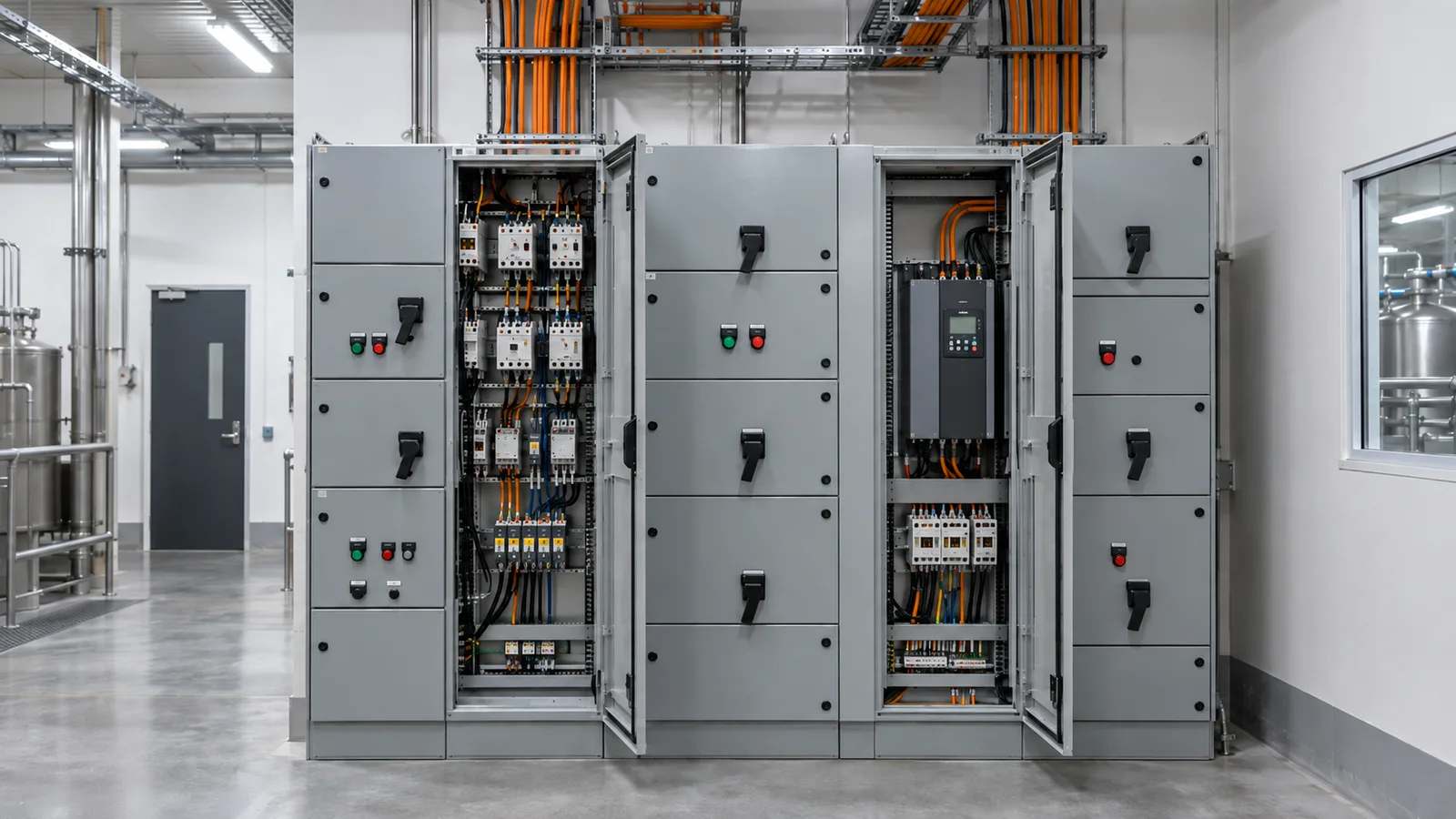
- 4 min readIndustrial switchboards: fault rating, form, IPWhat the three ratings on an industrial switchboard or motor control centre mean, how each one is chosen, and which AmpSize tools feed the numbers behind them.
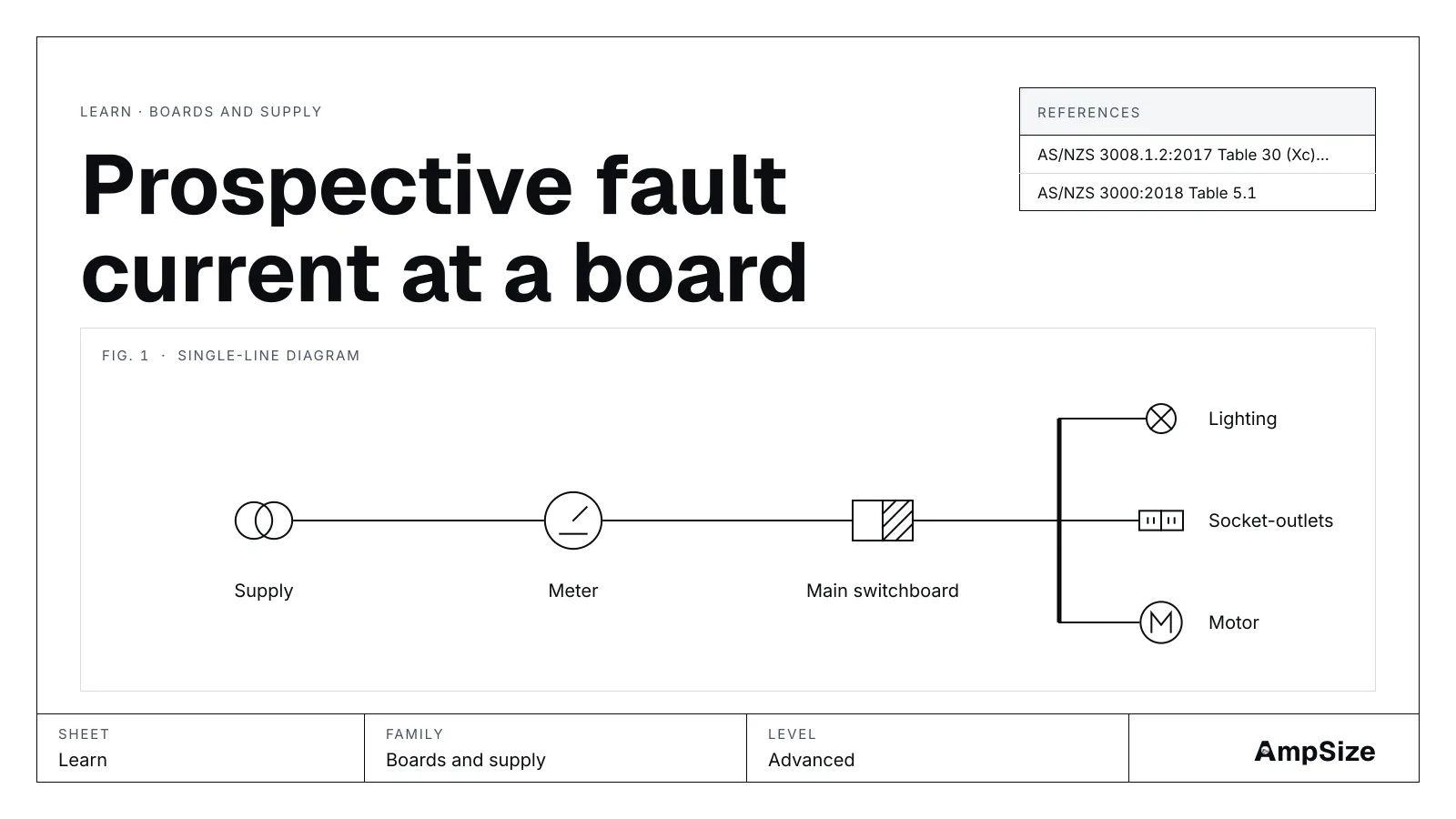
- 3 min readProspective fault current at a boardHow the fault current at a board comes from the source impedance and the submain, why the cold cable gives the maximum, and what to compare it with.
Calculators these guides use
- Arc flash calculatorEstimate the energy of an arc flash and its PPE category.
- Cable fault rating calculatorCheck that a conductor can withstand the fault current.
- IDMT grading calculatorPlot the trip curves of inverse-time overcurrent relays.
- Transformer calculatorCalculate transformer full load current and impedance.
- Cable size calculatorFind the smallest cable size that passes each check.
- Three phase power calculatorConvert between power, current, voltage and power factor.
- Fault level calculatorProspective fault current at a board from its source.
- Motor calculatorFind motor full load current, starting current and torque.
- Full load current calculatorCalculate full load current from power, voltage and phase.